Tee Marker Materials Compared: Resin, Aluminum, and Natural Stone
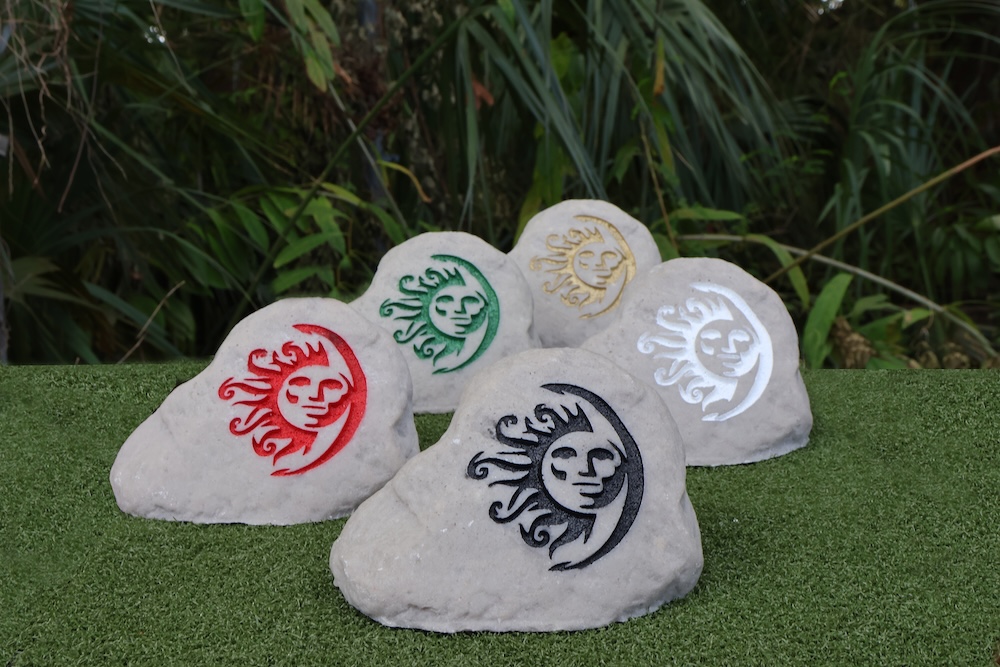
Choosing the right material for your custom tee markers is one of the most important decisions in the ordering process — and one of the most overlooked. The material you choose affects everything: how your markers look on the course, how long they last, how easy they are to install and maintain, and what you'll pay upfront and over time.
Here's an honest breakdown of the four most common tee marker materials so you can make the right call for your course.
Resin / Composite
Best for: Courses that want maximum design flexibility at an accessible price point.
Resin and composite tee markers are the most widely used option in the industry — and for good reason. They're lightweight, highly customizable, and hold up well across most climates and conditions.
Advantages:
- Lightweight and easy to install, move, or replace
- Excellent color retention and design detail — logos, gradients, and fine text all render cleanly
- Lower cost than metal or stone options
- Wide range of shapes and sizes available
- Resistant to rust and corrosion
Considerations:
- Can crack or chip if struck by equipment
- May fade faster than metal in high-UV environments without UV-resistant coating
- Less premium feel than aluminum or stone
Typical lifespan: 5–10 years with proper care.
Best climate fit: Most climates; UV-resistant formulas recommended for hot, sunny regions
Aluminum
Best for: Courses that want a premium, professional look with strong long-term durability.
Aluminum tee markers have become increasingly popular at higher-end and private courses. They offer a sleek, modern aesthetic with exceptional durability — and they're lighter than you might expect
Advantages:
- High-end appearance that elevates course presentation
- Extremely durable — resistant to cracking, chipping, and impact
- Rust and corrosion resistant
- Holds detailed finishes well, including engraving and powder coating
- Long lifespan reduces long-term replacement costs
Considerations:
- Higher upfront cost than resin
- Heavier than composite, which can make repositioning more labor-intensive
- Dents rather than cracks under heavy impact, which can affect the appearance
Typical lifespan: 10–20 years.
Best climate fit: All climates; ideal for coastal courses where moisture resistance matters
Natural Stone
Best for: Luxury, resort, and destination courses where visual impact is a priority.
Natural stone tee markers — granite, slate, and similar materials — are the prestige option. If your course trades on exclusivity and visual drama, nothing makes a statement quite like stone.
Advantages:
- Unmatched aesthetic appeal — each marker is visually unique
- Extremely durable and virtually maintenance-free
- Communicates luxury and permanence to members and guests
- Pairs beautifully with natural course environments and landscape design
Considerations:
- Highest upfront cost by a significant margin
- Very heavy — installation requires specialized equipment and planning
- Limited customization; logos and text are engraved or inlaid, which limits color options
- Not practical for courses that frequently reposition markers
Typical lifespan: 25+ years.
Best climate fit: Most climates; naturally resistant to moisture and temperature variation.
So Which Material Is Right for Your Course?
Here's a simple way to think about it:
- Working with a tighter budget or want design flexibility?
- Go with resin/composite. You'll get clean branding, easy installation, and solid longevity without overspending.
- Running a private or semi-private course that wants a premium look?
- Aluminum is the sweet spot — it looks sharp, lasts a long time, and doesn't require the logistical lift of concrete or stone.
- Luxury or destination course where visual impact is part of the brand?
- Natural stone is worth the investment. It's unmistakable.
Still not sure? The GG Markers team can help you evaluate your options based on your course's specific needs, climate, and budget.